

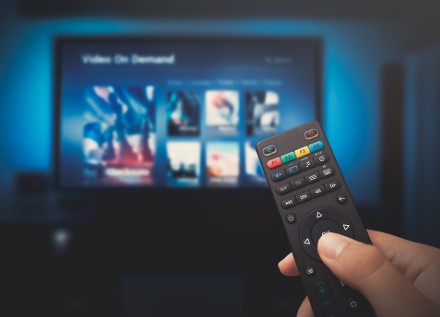
The way we consume television has been undergoing a dramatic transformation for over a decade, and by 2027, Internet Protocol Television (IPTV) is no longer just an alternative—it has become the dominant force in global media consumption. Traditional broadcasting methods such as cable and satellite are steadily declining, while IPTV continues to expand its reach, fueled by faster internet speeds, smarter devices, and evolving consumer expectations.
This article explores what IPTV looks like in 2027, how it has evolved, and what it means for viewers, content creators, and the broader entertainment industry.
The Rise of IPTV: From Alternative to Standard
IPTV refers to the delivery of television content over internet networks instead of traditional terrestrial, satellite, or cable formats. While it started as a niche solution for tech-savvy users, IPTV has now become mainstream. By 2027, most households worldwide access television primarily through internet-based services.
Several key factors have contributed to this shift. First, global internet infrastructure has improved dramatically. Fiber-optic networks and widespread 5G—and even early 6G deployments—have made high-speed connectivity more reliable and accessible. This allows for seamless streaming of high-definition and ultra-high-definition content without buffering.
Second, consumer behavior has changed. People no longer want to be tied to rigid broadcasting schedules. Instead, they demand flexibility, personalization, and control over what they watch and when they watch it. IPTV delivers exactly that.
Hyper-Personalized Viewing Experiences
One of the defining features of IPTV in 2027 is personalization. Advanced artificial intelligence (AI) systems analyze viewing habits, preferences, and even emotional responses to curate highly tailored content recommendations.
Unlike earlier streaming platforms that relied on basic algorithms, modern IPTV services create dynamic, evolving content feeds. These systems consider not only what users watch, but also how they interact with content—pausing, rewinding, skipping scenes, or binge-watching entire series.
As a result, every viewer experiences a unique “channel” that feels custom-built for them. Traditional channel surfing has been replaced by intelligent content discovery.
Integration with Smart Homes and Devices
By 2027, IPTV is deeply integrated into the broader ecosystem of smart homes. Televisions are no longer standalone devices—they are part of interconnected environments that include voice assistants, wearable devices, and even augmented reality (AR) systems.
Users can start watching a show on their living room TV, continue it on their smartphone during a commute, and finish it on a smart display in the kitchen. This seamless transition across devices is now expected, not exceptional.
Voice control has also become more advanced. Instead of simply searching for titles, users can give complex commands such as, “Show me a light comedy I haven’t seen yet that’s under 30 minutes.” IPTV platforms understand context and deliver accurate results instantly.
The Role of Artificial Intelligence and Automation
AI is at the heart of IPTV’s evolution. Beyond recommendations, it powers content creation, distribution, and optimization.
In 2027, AI-assisted production tools help studios create content faster and more efficiently. From scriptwriting assistance to automated editing and visual effects, AI reduces costs and speeds up production cycles. This leads to a greater volume of content available to viewers.
AI is also used to optimize streaming quality in real time. Adaptive bitrate streaming has become more sophisticated, ensuring the best possible viewing experience based on network conditions without user intervention.
Additionally, automated translation and dubbing have improved dramatically. Viewers can watch content from any country in their preferred language, with natural-sounding voices and accurate lip synchronization.
Live Streaming and Interactive Content
While on-demand content dominates IPTV, live streaming remains a crucial component—especially for sports, news, and major events. In 2027, live IPTV broadcasts are more interactive than ever.
Viewers can choose multiple camera angles during sports events, access real-time statistics, and even participate in live polls or discussions. Some platforms allow users to customize their viewing interface, selecting which information overlays they want to see.
Interactive storytelling has also gained popularity. Viewers can influence the direction of a show or movie by making choices at key moments, creating a more immersive experience. This blurs the line between traditional television and gaming.
The Expansion of Global Content
IPTV has broken down geographical barriers in entertainment. In 2027, content from around the world is readily accessible to global audiences. Regional shows and films that once struggled to find international distribution now reach millions of viewers.
This globalization of content has led to a more diverse media landscape. Audiences are exposed to different cultures, languages, and storytelling styles, enriching the overall viewing experience.
For content creators, IPTV provides unprecedented opportunities. Independent producers can distribute their work directly to audiences without relying on traditional gatekeepers. This democratization of media has sparked a wave of creativity and innovation.
Monetization Models in 2027
The business models behind IPTV have also evolved. While subscription-based services remain popular, they are now complemented by a variety of alternative approaches.
Ad-supported streaming has made a strong comeback, but with a modern twist. Ads are now highly targeted and less intrusive, thanks to AI-driven personalization. Some platforms offer hybrid models, allowing users to choose between ad-free subscriptions or lower-cost plans with advertisements.
Microtransactions and pay-per-view options are also more common, particularly for live events and premium content. Additionally, some platforms integrate e-commerce features, enabling viewers to purchase products directly from what they see on screen.
Challenges and Concerns
Despite its many advantages, IPTV in 2027 is not without challenges.
Content Overload: With an overwhelming amount of content available, users can experience decision fatigue. Even with advanced recommendation systems, finding something to watch can sometimes feel daunting.
Privacy Issues: The level of personalization IPTV offers requires extensive data collection. This raises concerns about user privacy and data security. Companies must balance personalization with transparency and ethical data practices.
Piracy and Regulation: IPTV has also faced issues with illegal streaming services. Governments and industry stakeholders continue to develop stricter regulations and enforcement measures to combat piracy.
Digital Divide: While internet access has improved globally, some regions still lack the infrastructure needed for high-quality IPTV. Bridging this gap remains a priority.
The Future Beyond 2027
Looking beyond 2027, IPTV is expected to continue evolving in exciting ways.
Virtual reality (VR) and augmented reality (AR) integration could redefine how we experience television. Imagine watching a live concert as if you were standing in the front row, or exploring a movie scene as a participant rather than a passive viewer.
Holographic displays and immersive environments may further blur the boundaries between digital and physical experiences. As technology advances, the concept of “watching TV” could transform into something far more interactive and engaging.
Experience the Future of IPTV Today
Ready to explore the next generation of internet television? Discover premium IPTV services and stream your favorite content anytime, anywhere by visiting AguiaIPTV — your gateway to the future of entertainment.
