

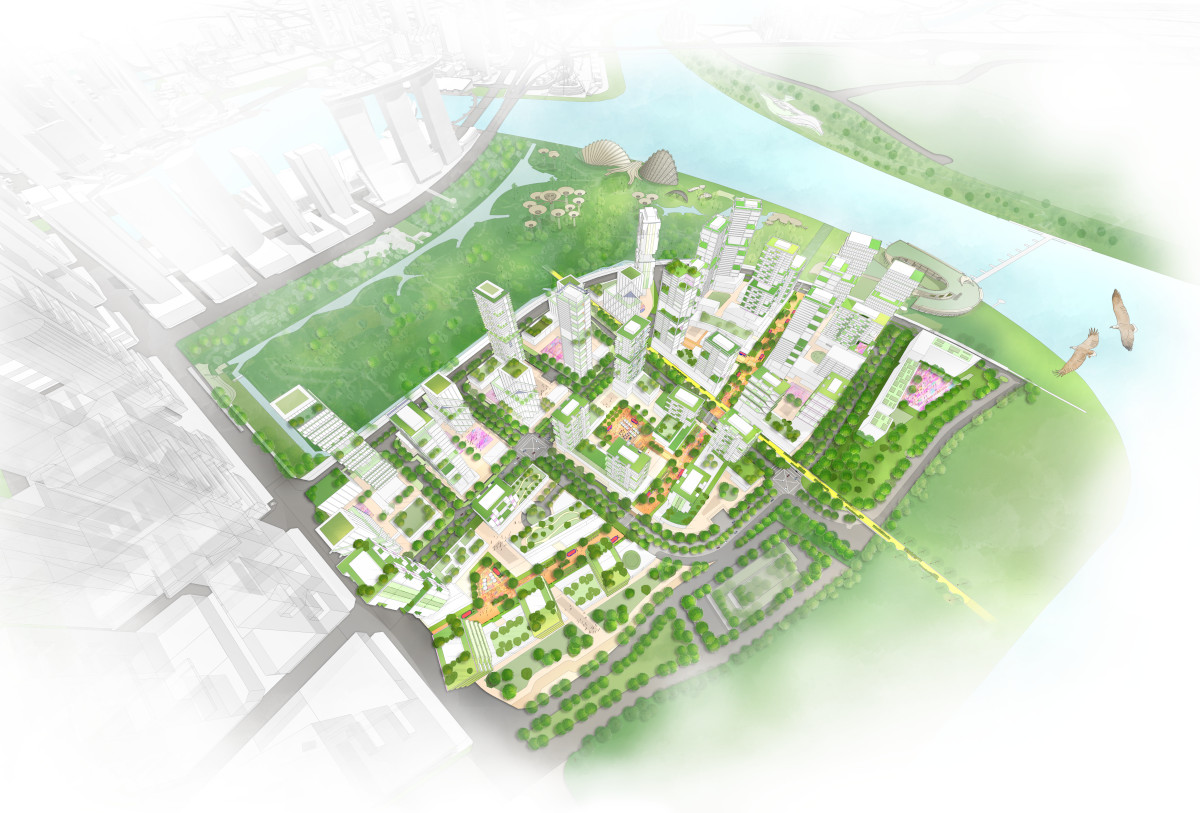
Singapore’s private residential market continually evolves alongside urban redevelopment master plans. For buyers and investors, choosing the right property requires balancing immediate location attributes, lifestyle preferences, and long-term capital preservation. As regional hubs expand and new residential enclaves take shape, real estate decisions depend on understanding how distinct neighborhood typologies serve different family needs and financial goals.
Understanding Modern Real Estate Drivers
Property acquisition in Singapore centers on key structural fundamentals: transport access, regional growth plans, surrounding density, and proximity to educational hubs.
- Transit-Oriented Connectivity: Direct access to MRT stations reduces daily commute times and maintains strong resale demand over time. Developments positioned near MRT interchanges offer added flexibility for regional travel across major lines.
- Urban Master Planning: Government master plans drive regional infrastructure, commercial growth, and amenity upgrades. Positioning early in planned growth zones allows buyers to benefit from long-term precinct maturation.
- Density and Living Environment: High-density mixed-use developments provide vibrant convenience, while low-density enclaves offer tranquil, exclusive living environments adjacent to landed neighborhoods or nature reserves.
- Education Corridors: Families prioritize proximity to primary and secondary schools, keeping demand consistent in established education belts.
Buyers interested in high-density transit-oriented living near business districts often evaluate developments like Lucerne Grand, which integrates residential living with direct station connectivity and regional commercial growth. Conversely, buyers seeking exclusive low-rise living within a quiet enclave frequently consider Amberwood at Holland, where low plot ratios preserve spatial character and green vistas.
Key Benefits of Strategic Property Selection
- Capital Stability: Well-located properties within master-planned zones hold value during market fluctuations due to constant demand from homeowners and tenants.
- Daily Convenience: Mixed-use developments or homes near retail hubs simplify daily errands, offering immediate access to dining, groceries, and essential services.
- Lifestyle and Wellness: Proximity to national parks, nature trails, or green corridors provides recreational space that enhances daily living quality.
- Long-Term Flexibility: Versatile home layouts adapt to changing household needs, accommodating remote work, growing families, or multi-generational arrangements.
Challenges in Property Acquisition
Navigating private residential real estate requires managing several common challenges:
- Financial Structuring: Calculating total entry costs, loan eligibility, stamp duties, and progressive payment schedules demands precise financial planning prior to commitment.
- Supply and Timing: High-demand launches in growth corridors often feature competitive balloting, requiring buyers to select backup layouts and price tiers beforehand.
- Construction Horizons: Purchasing uncompleted developments involves waiting periods during construction, requiring temporary housing arrangements or planned capital management.
Key Market Trends
- Rise of Regional Commercial Hubs: Decentralization plans bring commercial offices, technology parks, and lifestyle amenities outside the central business district, making regional residential developments increasingly attractive.
- Focus on Spatial Volume and Efficiency: Modern floor plans prioritize functional layouts, study spaces, high ceilings, and efficient storage solutions over unused structural space.
- Sustainability and Green Integration: New projects incorporate energy-efficient designs, natural ventilation paths, and direct connections to regional park connector networks.
Final Thoughts
Selecting a home in Singapore requires matching your lifestyle needs with long-term urban planning trends. By focusing on connectivity, neighborhood density, and financial readiness, buyers can secure a property that provides both immediate everyday comfort and long-term financial security. Assess your long-term family requirements, evaluate upcoming regional transformations, and review property transaction data to make a confident real estate decision
