

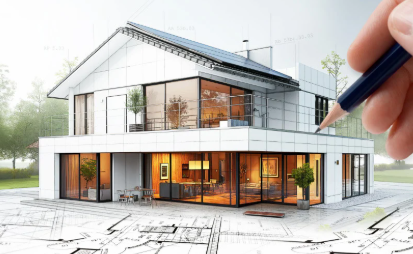
Modern residential construction requires a balance between durability, functionality, and long-term value. Whether developing single-family homes or larger residential communities, construction projects must be carefully planned and executed to meet both structural and operational standards. Businesses and developers seeking reliable outcomes often prioritize high-quality processes that ensure consistency and performance across every phase of construction.
Construction projects begin with detailed planning that aligns design goals with site conditions, regulatory requirements, and long-term usability. A structured approach ensures that every stage—from foundation work to final finishes—is completed efficiently. Developers working with Quality Residential Construction solutions benefit from a system that emphasizes precision, coordination, and long-term reliability.
A successful residential construction project begins with comprehensive site planning. Evaluating soil conditions, drainage requirements, and land grading is essential for establishing a strong foundation. Proper preparation reduces the risk of structural issues and supports long-term stability.
Site development and preparation involve multiple stages, including clearing, grading, and utility installation. Each step must be carefully coordinated to ensure that the project progresses without delays.
Developers who utilize Quality Residential Construction practices often achieve more efficient timelines and improved structural outcomes through thorough planning.
The strength of a residential structure depends heavily on the materials used and the methods applied during construction. Selecting high-quality materials ensures durability while supporting long-term performance.
Construction material optimization focuses on choosing materials that meet structural requirements while maintaining efficiency. This includes considerations for load-bearing capacity, environmental conditions, and long-term wear.
Projects completed through Quality Residential Construction approaches prioritize materials and techniques that enhance both safety and longevity.
Managing residential construction projects requires coordination across multiple teams, including engineers, contractors, and suppliers. Effective communication and scheduling help ensure that each phase of construction is completed on time.
Construction project management systems streamline workflows by organizing tasks, tracking progress, and addressing potential challenges early. This structured approach reduces delays and improves overall efficiency.
Teams that follow Quality Residential Construction methodologies often benefit from better coordination and consistent project delivery.
Modern residential construction increasingly focuses on sustainability and energy efficiency. Incorporating environmentally responsible practices helps reduce long-term operational costs and improves building performance.
Sustainable construction solutions include energy-efficient systems, durable materials, and optimized design layouts that reduce resource consumption. These features contribute to long-term value for both developers and residents.
Projects developed using Quality Residential Construction principles often align with modern sustainability standards while maintaining structural reliability.
Residential construction is an investment that extends far beyond initial development. Long-term value is achieved through durable structures, efficient systems, and consistent maintenance.
A well-executed construction project supports property appreciation and enhances overall usability. Developers who focus on structured processes and reliable execution create environments that remain functional and valuable over time.
