

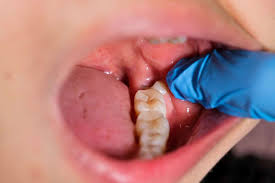
Wisdom teeth, also known as third molars, are the last set of teeth to develop and typically emerge in early adulthood. While some individuals experience no issues with these teeth, others may face complications due to lack of space or improper alignment. In many cases, Wisdom Teeth Extraction becomes necessary to prevent discomfort and protect overall oral health.
When wisdom teeth do not have enough room to emerge properly, they can become impacted, meaning they remain trapped beneath the gum or grow at an angle. This condition can lead to pain, swelling, and increased risk of infection. Patients who undergo Wisdom Teeth Extraction often do so to address these concerns before they develop into more serious complications.
Understanding Impacted Wisdom Teeth
Impacted wisdom teeth are a common reason for extraction. These teeth may grow sideways, partially emerge, or remain completely hidden beneath the gums. Because of their positioning, they can create pressure on neighboring teeth and contribute to overcrowding.
Oral surgery procedures are often required to safely remove impacted teeth. Dentists evaluate the position of the wisdom teeth using imaging to determine the best approach for removal. Patients who seek Wisdom Teeth Extraction benefit from early intervention that helps prevent further complications and protects surrounding teeth.
Addressing impacted teeth early can reduce the risk of infection and long-term damage to adjacent structures.
Preventing Infection and Gum Issues
Partially erupted wisdom teeth can create spaces where bacteria accumulate, increasing the risk of infection. These areas are often difficult to clean properly, which can lead to gum inflammation and discomfort.
In some cases, infections around wisdom teeth can spread to surrounding tissues if left untreated. Removing problematic teeth through Wisdom Teeth Extraction helps eliminate these risks and supports healthier gum conditions.
Preventing infection is one of the primary reasons dental professionals recommend extraction, particularly when symptoms such as swelling or pain are present.
Reducing Overcrowding and Alignment Issues
Wisdom teeth can also affect the alignment of existing teeth. When there is not enough space in the mouth, these teeth may push against neighboring teeth, causing crowding or shifting.
Tooth alignment concerns are especially important for patients who have undergone orthodontic treatment. Extracting wisdom teeth can help maintain the results of prior dental work and prevent future alignment problems.
Patients who choose Wisdom Teeth Extraction often do so to preserve the structure and positioning of their teeth while avoiding additional corrective treatments.
The Extraction Process and Recovery
The process of removing wisdom teeth depends on their position and level of impaction. Simple extractions may be performed for teeth that have fully emerged, while impacted teeth often require minor surgical procedures.
During the procedure, the dentist or oral surgeon carefully removes the tooth while minimizing disruption to surrounding tissue. After the extraction, patients are provided with aftercare instructions to support proper healing.
Recovery typically involves a short period of rest, during which patients may experience mild swelling or discomfort. Following post-treatment guidelines helps ensure a smooth healing process and reduces the risk of complications.
Long-Term Benefits of Wisdom Teeth Removal
Removing problematic wisdom teeth can provide long-term benefits for oral health. By addressing potential issues early, patients can avoid pain, infection, and damage to surrounding teeth.
Wisdom teeth extraction also helps maintain proper oral hygiene by eliminating hard-to-clean areas where bacteria may accumulate. This contributes to healthier gums and reduces the likelihood of future dental concerns.
As part of a comprehensive approach to oral care, extraction allows patients to protect their smile and maintain long-term dental stability.
