

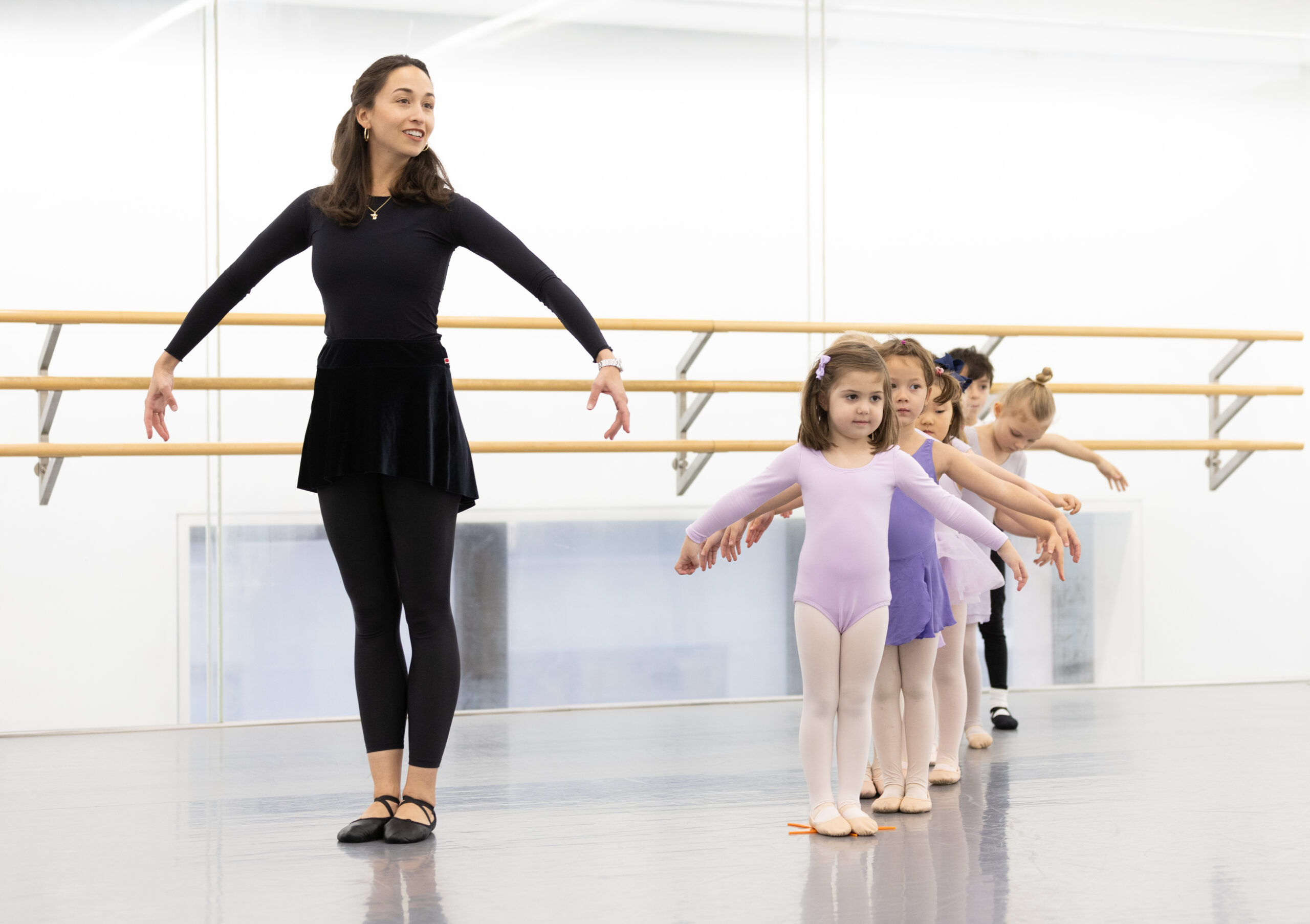
Childhood is a time of constant change. As children grow, their bodies, emotions, and minds are developing at different speeds. Parents often seek activities that support this growth in healthy, structured ways. One such activity, often underestimated, is a ballet class for kids. Ballet blends movement, discipline, music, and creativity—all in one space. And when introduced during early childhood, it becomes more than dance—it becomes a learning tool.
Let’s explore how ballet fits into the natural rhythm of a child’s growth, and why it’s one of the most complete forms of education outside the traditional classroom.
Movement Is the First Language
Before children can write or explain how they feel in words, they express themselves through movement. From the earliest years, motion is how they learn—by crawling, climbing, running, and dancing. A ballet class builds on this natural instinct but introduces structure and rhythm to guide it.
Through exercises at the barre and in the center of the studio, children begin to connect movement with intention. They learn to bend (plié), stretch (tendu), rise (relevé), and balance. At the same time, they begin to sense how movement can carry emotion—joy, calm, excitement, focus. This kind of embodied learning helps children connect their bodies with their feelings, a critical step in emotional development.
Routine and Structure Bring Safety
Young children crave predictability. They feel most secure when they know what to expect. A ballet class follows a consistent pattern every week: warm-up, barre, center work, across-the-floor exercises, and cool down. This repetition builds a sense of safety and order.
Children thrive when given the opportunity to master small challenges over time. The structure of ballet allows that—by introducing foundational steps and revisiting them week after week, children experience real growth. They feel the satisfaction of improvement, which encourages them to keep trying. This teaches perseverance, one of the most important habits a child can develop.
Ballet Encourages Attention and Memory
In an age when attention spans are shortening, ballet remains a discipline that demands focus. Children must listen to instructions, process movement cues, remember sequences, and coordinate timing with music. This type of learning—called multisensory integration—is especially powerful in early childhood.
Each class introduces vocabulary too, usually in French. Children slowly build a ballet lexicon: arabesque, jeté, passé. While they may not remember every term right away, the process of connecting a word to a motion strengthens memory and listening skills.
This kind of attention-building directly supports academic learning. Children who practice focus and memory in ballet often carry those skills into the classroom with greater success.
A Shared Year of Progress
One of the strengths of ballet training is its clear structure over the academic year. Students aren’t just attending random classes—they’re part of a journey. In our school, the calendar includes:
- January–April: ABT Primary to Level 2 Ballet Exam Coaching
- April–May: ABT Exams and a Master Class
- September: School Recital
These checkpoints provide meaningful goals. Children prepare for exams with their peers, take part in rehearsals, and perform in front of audiences. They learn what it means to prepare over time—how to work on a routine, how to overcome nervousness, and how to celebrate effort, not just outcomes.
Participation in coaching and exams is mandatory for dancers age six and older, ensuring consistent progress and balanced development.
Self-Awareness and Confidence
Perhaps the most beautiful benefit of ballet is the quiet confidence it builds. As children grow, they begin to notice themselves more—how they look, how they move, how others see them. Ballet helps make that process positive.
By practicing posture, control, and expressive movement, children gain self-awareness. They begin to appreciate their bodies for what they can do, not just how they appear. They learn to stand tall—not only in ballet positions but in everyday life.
And when it’s time to perform in the recital, they step on stage not as perfect dancers, but as growing individuals who’ve worked hard, stayed focused, and gained confidence one step at a time.
Final Thoughts
A ballet class for kids offers far more than physical exercise. It is a space where movement becomes learning, where repetition becomes growth, and where discipline meets joy. Through ballet, children gain not only strength and flexibility but also attention, patience, and confidence.
As they grow—physically, emotionally, and socially—ballet provides a steady hand. It helps them focus their energy, build lasting habits, and develop a quiet sense of pride in what they can achieve.
So while it may look like dance, ballet is also a kind of education—and one that supports children where they are, while gently preparing them for what’s next.
